







At CoolVan, we’ve drawn on 25 years of refrigerated conversion experience to develop a new insulation kit designed to make our manufacturing process more efficient. Based in Barnoldswick, we’re also exploring what it could mean for vehicle performance.
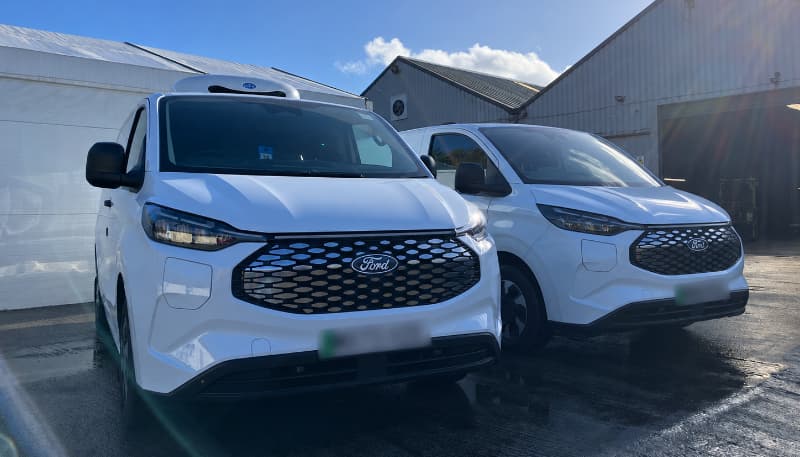
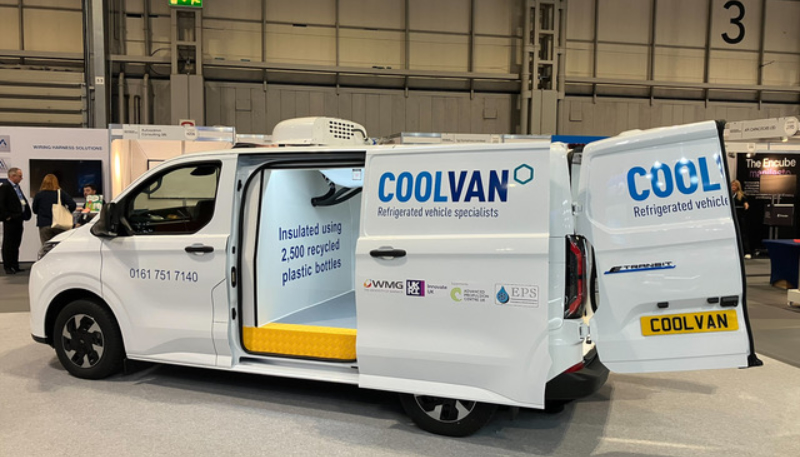
Through Project ASSURE, we’ve worked with WMG at the University of Warwick on a system that uses precision CNC machining and thermoforming to produce pre-manufactured insulation panels. You can see the result in our Ford Transit Custom demonstrator, which incorporates recycled material equivalent to approximately 2,500 plastic bottles.
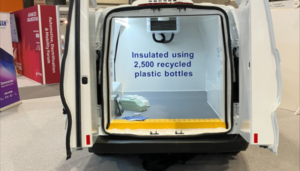
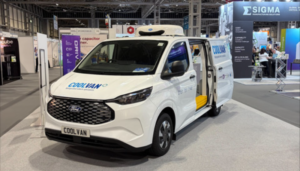
We showcased the technology at Advanced Engineering UK 2026 at the NEC Birmingham on 4–5 November, as part of the Advanced Propulsion Centre UK’s (APC) DRIVE35 Demonstrate showcase.
So, what could this mean for your next refrigerated van? We’re exploring the potential benefits for vehicle weight, payload and refrigeration efficiency, alongside improvements to the conversion process itself.
Here’s a closer look at what we’ve developed and why it could matter to your fleet.
Rethinking how fridge vans are built
When we carry out traditional refrigerated van conversions, much of the insulation needs to be cut, fitted and bonded by hand. It’s careful, labour-intensive work that takes time.
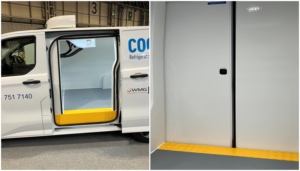
Through Project ASSURE, we’ve developed a different approach. We use Polycore insulation, incorporating recycled PET (rPET) foam, with precision CNC machining and thermoforming to create lightweight, durable insulation panels.
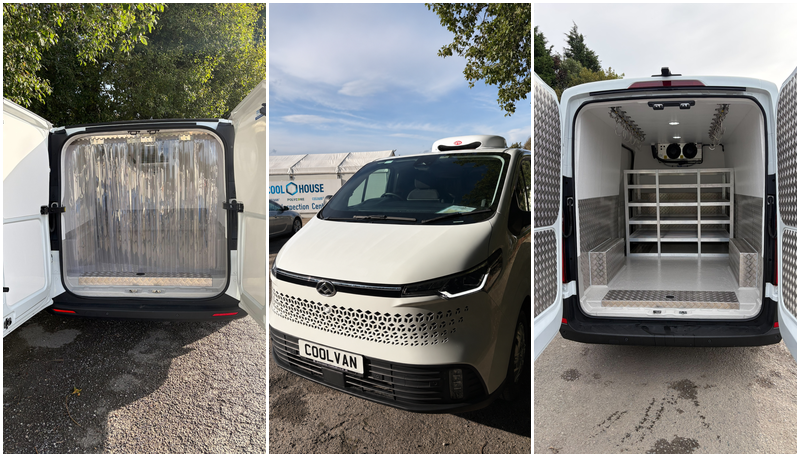
The main difference is how those panels come together. Rather than building much of the insulation inside your van, we manufacture specially designed panels in advance and assemble them as a complete insulation kit. Our aim is to make installation simpler, achieve more consistent results and make the technology easier to adapt to different vehicle models.
Working with WMG at the University of Warwick, we went through five generations of design and development before successfully installing the insulation system in a Ford Transit Custom electric van.
For us at CoolVan, it’s an investment in how we build your van. We’re bringing our hands-on conversion experience together with digital design and advanced production techniques to develop what we can do in-house.
What does it mean for refrigerated van operators?
Whether you manage a fleet, lease vehicles or organise refrigerated deliveries, you’ll want to know what this technology could mean for you. Alongside changes to how we build your fridge vans, we’ve been exploring the potential benefits for weight, payload, refrigeration efficiency and installation costs.
Working with WMG at the University of Warwick, we’ve tested the system and used digital modelling and simulation to optimise the thermoforming process.
Here’s what we’ve learned.
Keeping your goods at the right temperature
Our in-house testing indicated improved thermal performance, suggesting the insulation could help maintain temperatures more efficiently. Separate digital modelling suggested the potential for approximately 12.5% lower annual refrigeration energy costs under the operating conditions assessed.
For you, that points to the possibility of lower refrigeration running costs, although the outcome would depend on your vehicle and how you use it.
Reducing weight and increasing available payload
If you regularly carry loads close to your van’s weight limit, you’ll know how valuable additional payload can be. The project reported a 13.5% weight reduction in the Polycore vehicle configuration. Separate modelling indicated the potential for an additional 26 kg of available payload compared with conventional insulation.
These findings came from different assessments, so they should be considered separately when looking at what the system could offer your fleet.
Testing durability in cold conditions
You need your van’s interior to stand up to regular loading and unloading, as well as the temperatures you operate at. To investigate panel durability, WMG at the University of Warwick carried out puncture testing on insulation panel samples at temperatures as low as −30°C, with mechanical test loads reaching 780 N.
Making installation quicker
The pre-manufactured kit could also help us fit your van’s insulation more efficiently. Project findings indicated a potential 87% reduction in insulation installation time compared with traditional methods. That figure relates specifically to installing the insulation, rather than the time needed to complete the whole conversion.
What you can take from the findings
These figures give you an indication of the system’s potential, but they come from project-specific testing, engineering assessments and digital modelling. They aren’t guaranteed results for every vehicle.
Successfully installing and demonstrating the system in our Ford Transit Custom is an important step for us at CoolVan and the wider Project ASSURE team. It shows what we’ve achieved by combining our practical conversion experience with advanced engineering and manufacturing research, and gives us a basis for exploring how the technology could benefit your future vans.
Investing in the future of refrigerated transport
Commenting on the project, Paul Barton, our Operations Manager and Project ASSURE lead, said:
“After 25 years in this industry, we know how much work goes into building a refrigerated van and the challenges involved in getting the insulation right.
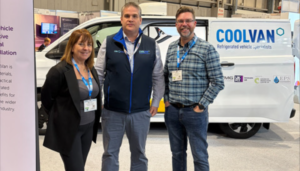
Project ASSURE has given us the opportunity to look at that process differently. We’ve developed a new insulation kit using advanced manufacturing techniques, and the testing and modelling so far have produced some really encouraging results.
Being able to showcase that work alongside the Advanced Propulsion Centre UK is a great achievement for CoolVan and shows how we’re continuing to invest in the future of the business.”
Installing the system in a Ford Transit Custom electric van has allowed us to put that work into practice. For us and the wider Project ASSURE team, seeing the insulation kit fitted in the vehicle was an important milestone, followed by the opportunity to share it at Advanced Engineering UK.
If you operate, manage or lease refrigerated vans, this gives you a closer look at how we’re developing the vehicles you may use in the future. We’re building on 25 years of practical conversion experience, investing in our team’s expertise and exploring new ways to design and manufacture your van’s insulation.
At CoolVan, we’re always looking for ways to improve the vans we build and the service you receive, whether that’s through projects like ASSURE or the advice we offer when you first get in touch.
If you’re looking for fridge vans or a bespoke fridge van conversion, get in touch with our team of experts. Whether you’re choosing a vehicle for your own business or helping a customer find the right van, we’ll take the time to talk through the options and answer your questions.
To get started, request a quote online, message us on WhatsApp or use our live chat. You can also call 0161 751 7140 or email [email protected]. We’re always happy to help!