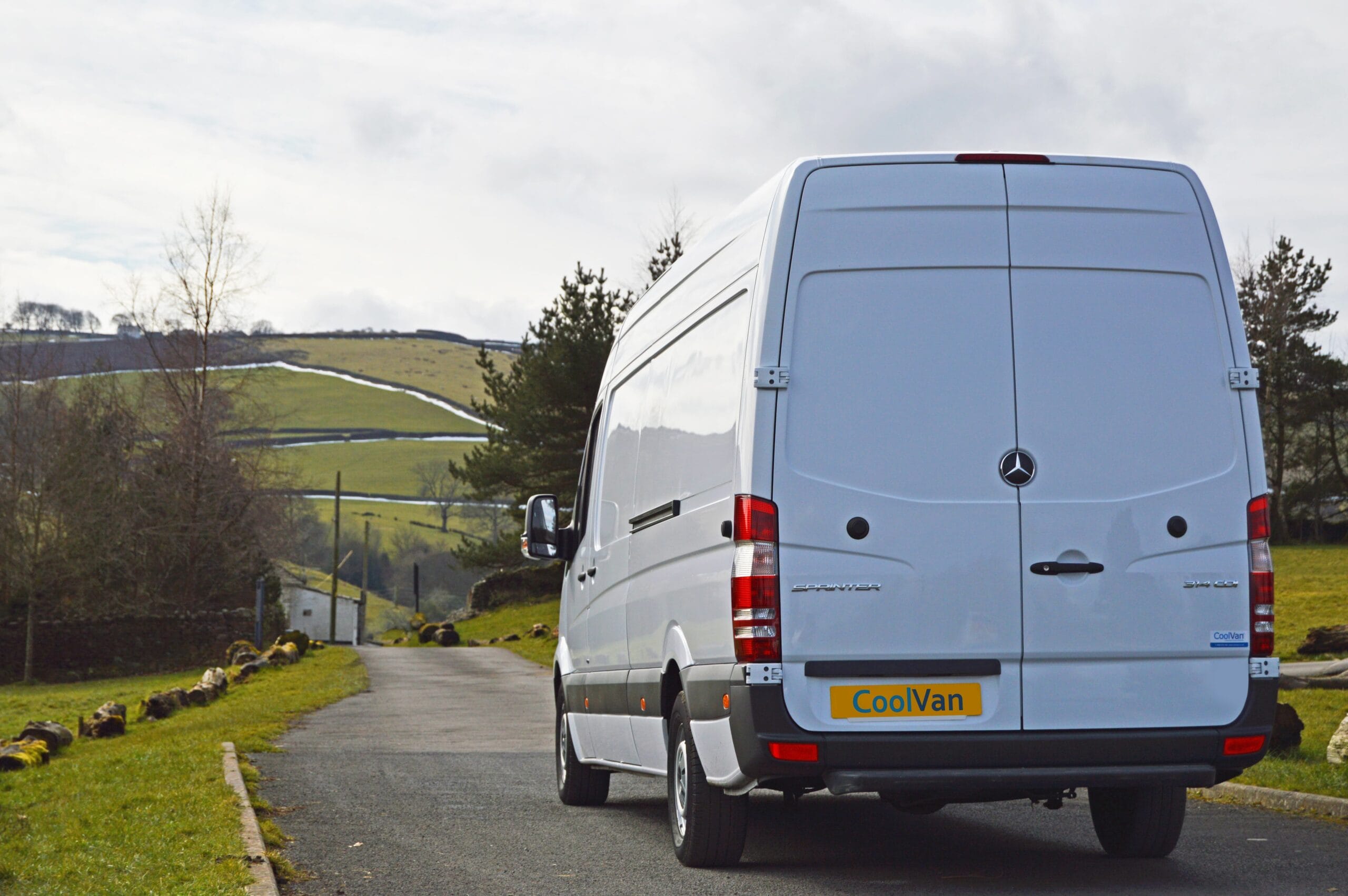
When it comes to running a refrigerated van, keeping costs down is always a priority. But lowering expenses doesn’t have to mean compromising on performance, reliability, or temperature control. In fact, by taking a smarter approach to how your van is specified, used, and maintained, you can reduce overheads while extending the life of your vehicle and refrigeration system. Here are some primary areas to focus on if you want to maximise efficiency without cutting corners!
Are you getting the most from your insulation and load area?
Insulation plays a huge role in how efficiently your refrigerated van performs. If the insulation is poor or the lining is damaged, your fridge unit has to work harder to maintain temperature, driving up fuel and energy use. That’s why quality insulation is one of the best long-term investments you can make.
Equally important is how you use the load space. A well-planned layout helps the air circulate freely around the goods, helping the refrigeration system run smoothly. If your business transports both chilled and frozen items, you could even consider a dual-temperature conversion. If you split the load area into separate compartments, you can handle mixed deliveries with a single vehicle, reducing fuel use and overall fleet costs.
Have you chosen the right base vehicle and fridge system?
Your choice of van and refrigeration unit has a big influence on operating costs. Reliable, efficient models like the Mercedes Sprinter or Ford Transit are popular for a reason: they deliver the balance of performance and durability that keeps downtime to a minimum.
That said, electric and hybrid refrigerated vans are also becoming increasingly cost-effective, particularly for businesses operating in urban areas or low-emission zones, thanks to lower maintenance costs and reduced running costs.
It’s also worth checking that your van’s payload matches your day-to-day requirements. If you’re running a vehicle that’s larger or heavier than you need, it adds unnecessary cost every time you start the engine.
Is your maintenance routine proactive or reactive?
Regular servicing is one of the simplest and most effective ways to keep costs down. Routine checks on the refrigeration unit, insulation integrity, and door seals can prevent small issues from turning into expensive breakdowns.
At CoolVan, we recommend servicing fridge vans at consistent intervals (at least once a year or every 12,000 miles or so) to maintain temperature accuracy, protect reliability, and extend component life. A preventative approach means less downtime, better fuel efficiency, and fewer emergency callouts, all of which save money in the long run.
Could smarter operations improve efficiency?
Sometimes, savings come not from the van itself but from how it’s used. Reviewing delivery routes, stop frequency, and idle times can highlight opportunities to reduce wasted fuel and energy.
For example, avoid leaving the refrigeration system running unnecessarily when stationary, and make use of standby power wherever possible. Using route-planning software or telematics can also help minimise empty mileage and ensure your fleet operates as efficiently as possible, day to day.
Are you making use of modern technology?
Today’s refrigerated vans can be equipped with monitoring systems that track temperature, door openings, and system performance in real time. This helps identify inefficiencies early and reduces the risk of product spoilage.
Dual-temperature systems and upgraded LED lighting can further cut energy use while improving usability. Even small changes like upgrading insulation liners or switching to lighter, more durable materials can make a noticeable difference to your running costs over time!
Have you considered the whole-life cost?
The cheapest option upfront isn’t always the most affordable in the long run. Quality conversions, reliable base vehicles, and efficient refrigeration systems will all cost less to run and maintain over their lifetime, which makes them cheaper by default in the long run.
When you’re weighing up your options, look beyond the purchase price and consider the total cost of ownership, including servicing, fuel, energy use, and resale value. Investing slightly more at the start often pays for itself in reduced running costs and better reliability.
Do your drivers know how to keep costs down?
Finally, driver habits can have a big impact on efficiency. Training your team to avoid unnecessary idling, minimise door openings, and perform quick daily checks on the seals and refrigeration unit helps keep your vans performing at their best. Even simple changes in behaviour can extend the life of components and reduce strain on the cooling system, small habits that add up to big savings across a fleet!
Reducing running costs doesn’t have to mean compromising performance. With the right setup, regular servicing, and a few smart changes to how your vans are used, you can save money and keep your goods in perfect condition.
At CoolVan, we’ve been helping businesses do exactly that for over 25 years, from choosing the right vehicle to building efficient refrigerated van conversions that last. If you’d like advice on how to make your fleet more cost-effective, give us a call on 0161 751 7140 or send an email to [email protected]. We’ll be happy to help!